Your brand is a behaviour, not a logo. Here’s how to design one.

Aya Moreno
Founder & Creative Director
Oct 2, 2026

Logos get remembered when the company behind them behaves consistently. A practical guide to designing the behaviour first.
Every rebrand starts the same way: a founder slides a competitor’s logo across the table and says “something like this, but ours.” It’s an understandable instinct. Logos are visible, finite and easy to compare. But the brands people actually remember are rarely remembered for their marks.
The mark is the receipt
Think of the brands you love. You can probably describe how they answer an email, how their packaging opens, what their checkout says when something goes wrong. The logo is the receipt for those experiences — a shorthand your brain uses to retrieve them. Without the experiences, it retrieves nothing.
A logo is a promise. The behaviour is whether you keep it.
Write the verbs before you draw the nouns
Before any sketching, we ask clients to finish one sentence twenty different ways: “When a customer ___, we always ___.” The answers become a behaviour map. It tells us whether the brand should be quick or ceremonial, loud or precise, generous or exclusive — and those adjectives finally have evidence behind them.
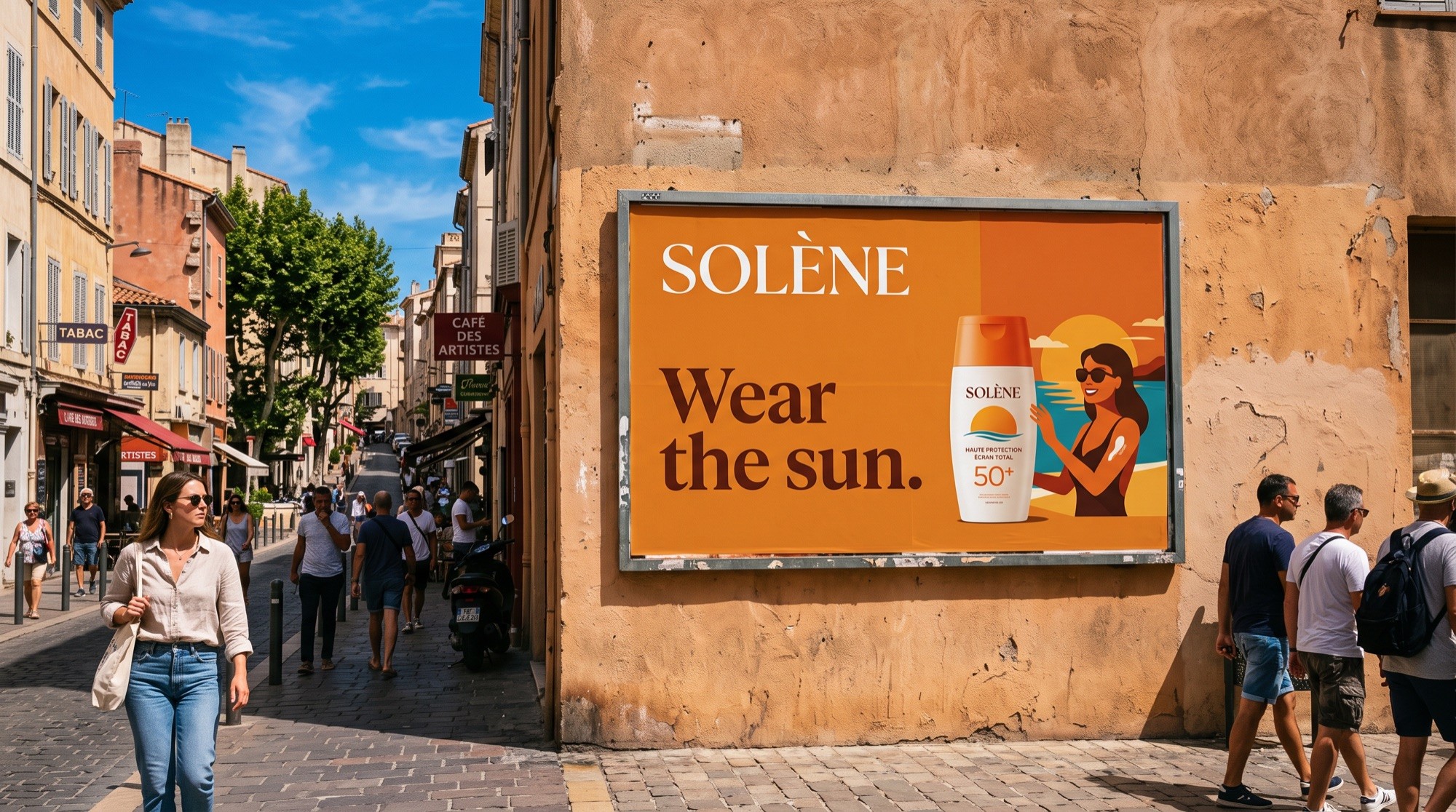
Then design the system to protect it
Only now do we draw. Type, colour and motion become tools for keeping promises at scale — so a junior marketer in another time zone makes the same decision the founder would. That’s what a brand system really is: a way of behaving, written down so everyone can do it.
Written by
Aya Moreno
Founder & Creative Director, Lisbon. Keeps a drawer of 600 matchbooks. Calls it “research”.


(→) Next step
Got something
worth building?
Start aproject
Two partner slots open for Q1 2027. Tell us what you’re making — we reply within two hours, in your time zone.
4 of 6 slots taken